Schedule a Consultation
We are reliable. We have been here a long time. And we will support you every step of the way.
Contact Us“Doctor, I think I am going crazy, I keep seeing a black fly and when I try to hit it, it’s not there, and then a second later it reappears again!”
Almost every day I get a patient complaining of seeing spots in their eyes. Especially in the summer, since it’s bright outside, the sky is blue, and the spots are more noticeable. Different people describe them differently: spots, flies, mosquitoes, spiders, and spider webs. Some patients even draw a picture of what exactly they see. Some are so distraught by it that it starts affecting their daily lives, others, barely notice them.
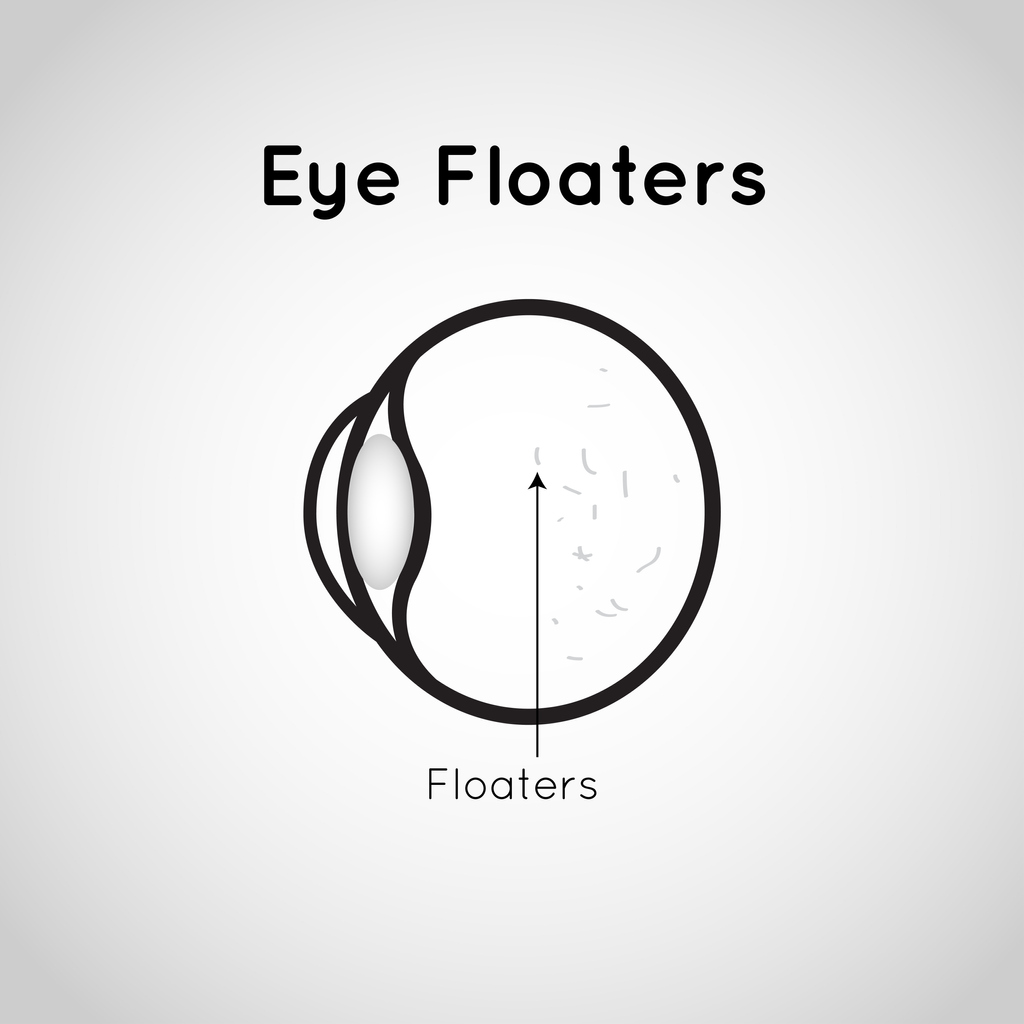
We, doctors, like to simplify things, so we call them simply floaters. Some of us favor the Latin name of Muscae volitantes - flying flies. Almost all of us at some point in our lives will experience these floaters. So, are floaters harmful? Are they a sign of something sinister? Will they go away? Should you be worried? Valid questions, and we'll answer them down below.
Learn more about flashes and floaters
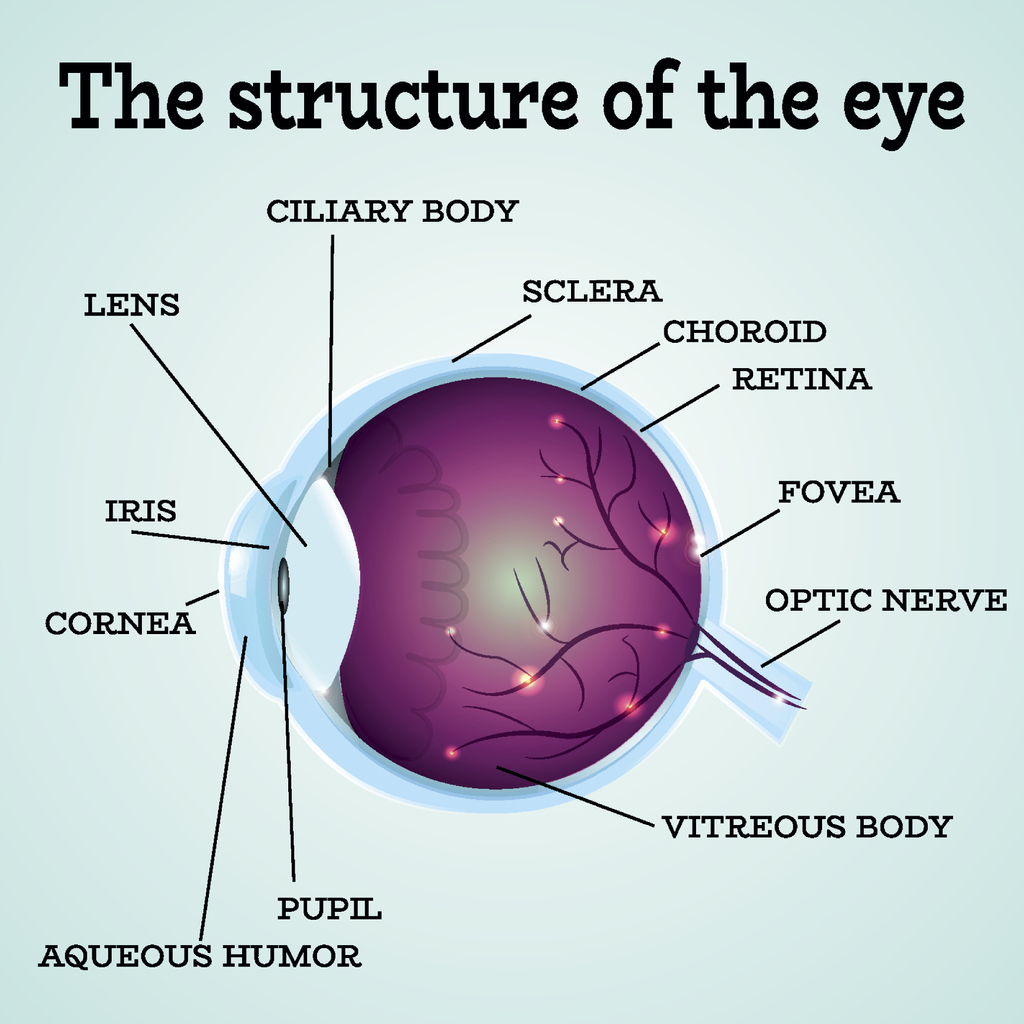
To understand how floaters appear we should first understand the structure of the eye. The eye is essentially a ball - "eyeball" - that is filled with different types of fluid. Of course, there are also structures within that help us see the wonderful world around us. Most of the volume of the eye is filled by a viscous fluid called Vitreous humour, which means “glassy fluid" in Latin. Vitreous is attached to a thin film of nerve tissue in the back of the eye, called the retina.
In kids, this vitreous is completely jelly-like - imagine clear colorless Jell-O. As we age, however, the gel starts becoming more liquid. Parts of the vitreous start contracting and forming whitish strands. This process is called vitreous syneresis, more Latin for Latin language lovers. Since the whitish strands are inside the eye, we don’t see them as white. Instead, we see a shadow of them on our retina: dark, either black or gray, lines, spots, webs, or various other shapes. Since we see only shadows of floaters they are more visible in a light environment - against a blue sky, for example. And, of course, since the vitreous gel around the floater liquifies more with age, these strands move around with eye movements.
As the process continues, the vitreous gel shrinks even more and separates from the retina in the back of the eye - usually after the age of 50 y/o. You may see some flashing lights and a larger floater may appear. This is called Posterior Vitreous Detachment. If you haven’t seen an ophthalmologist already, this is definitely a reason to see one urgently. See more below.
Floaters are generally not harmful to your vision. However, occasionally, as this vitreous gel liquefies and separates from the retina, it pulls off a piece of retina with it creating a retinal tear or hole. Some people may see a flashing light when this happens. The retina is a very important part of the eye. Problems with the retina are a serious matter, can lead to loss of vision, and need to be addressed right away. For that reason, I strongly recommend seeing an ophthalmologist for any new floaters or any changes in the pattern of floaters, and, definitely, if you are seeing any flashes or sparks in your eye. By flashes or sparks, I mean actual sparks - not figurative ones.
Most of the time, you will walk out after an exam with reassurance that everything is OK. Your ophthalmologist will continue seeing you once in a while to make sure your eyes remain healthy. Occasionally, a retinal hole or tear may be discovered that may require laser treatment. Generally, when floaters and flashing lights are ignored for some time, a person may actually have a more vision-threatening problem (retinal detachment) that may require eye surgery and may result in permanent loss of vision.
If you are concerned and want to schedule an eye exam, contact our office today to schedule.
Most people, once they see floaters for the first time, will continue to see them at least once in a while. Our bodies, however, have a wonderful ability to get used to things. Over time, your brain will learn to ignore the floaters, and while you will still notice them occasionally, they will not bother you as much. A visit to an ophthalmologist also helps. Reassurance that your eyes and your retina are OK works magic, in this case, to help a person deal with and get used to floaters. Peace of mind, at the very least, is worth a visit for an eye exam. After all, your vision is of paramount importance.
In short, most of us will see floaters at one point or another in our lives. For most of us, they are completely harmless. However, if you are seeing floaters or flashing lights and you haven’t seen an eye doctor yet, please, don’t ignore your eye health. See your ophthalmologist.
Have a wonderful New York summer and don’t forget your sunglasses!
Dr. Julia Giyaur
We are reliable. We have been here a long time. And we will support you every step of the way.
Contact Us