Manhattan917-970-9377 Brooklyn 718-395-5338 Staten Island 718-300-4274 Menu

New York's Standard for Eye Care

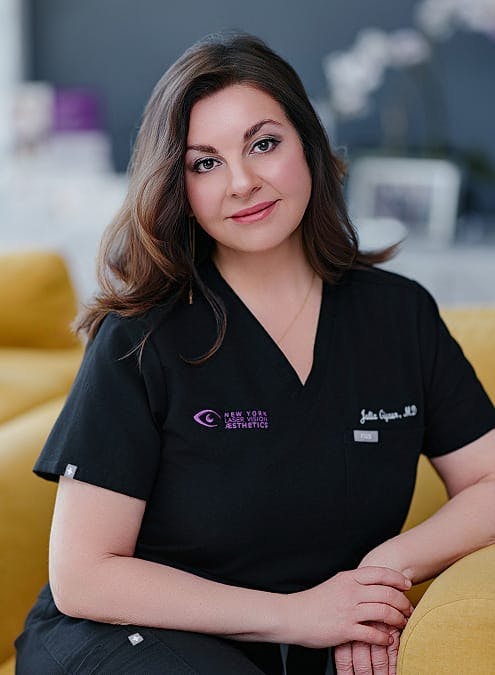
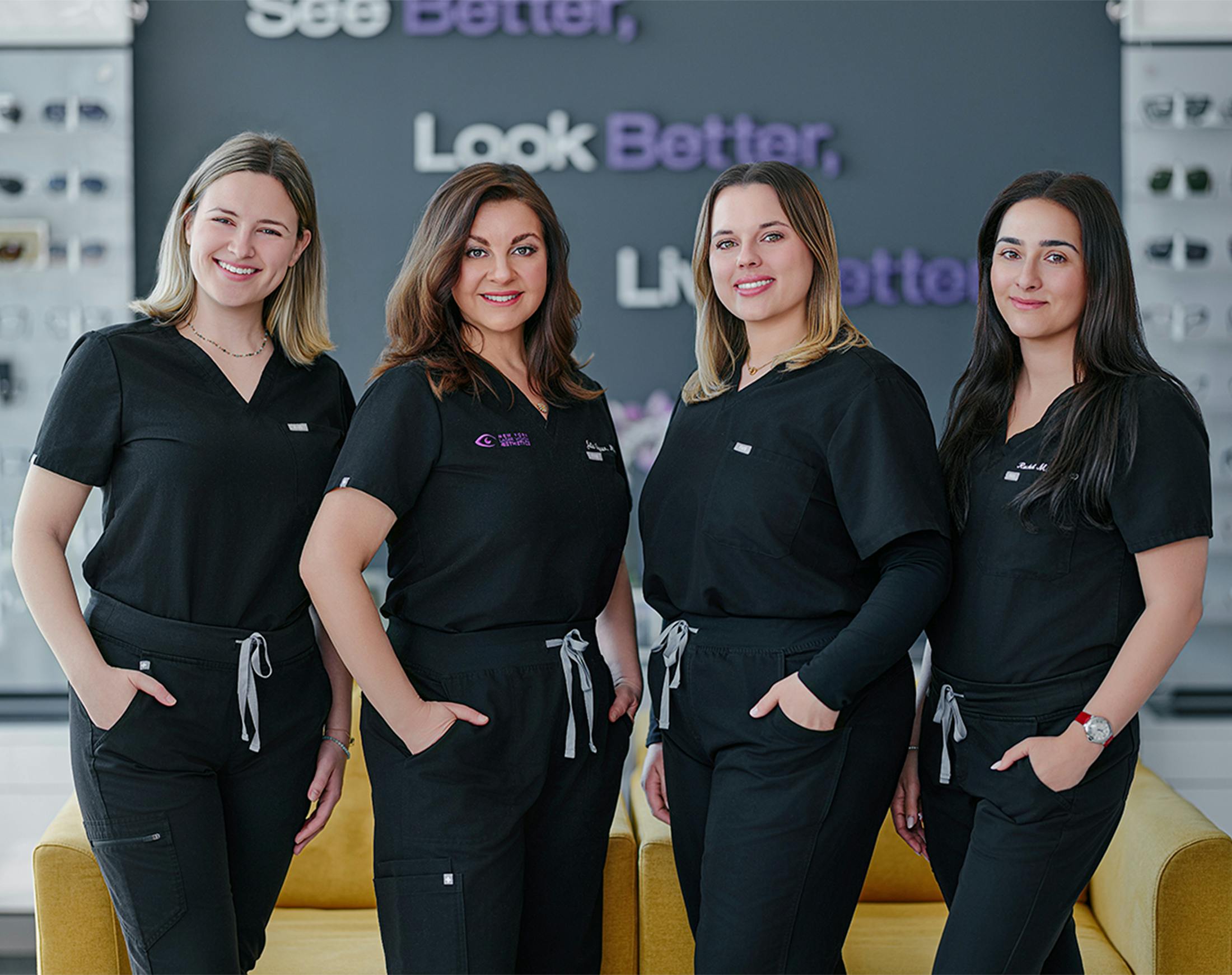
New York Laser Vision has served Manhattan and Brooklyn patients for years, with a team led by Dr. Julia Giyaur that has completed over 6,000 ocular surgeries and 3,500 laser procedures. Whether you need routine eye care, vision correction, or a more advanced surgical solution, finding the right ophthalmologist shapes every outcome. New York Laser Vision welcomes patients from across the metro area and beyond. Schedule a consultation to get started.

Why Your Choice of Eye Doctor Matters

Vision problems have a way of progressing quietly. A provider who catches changes early, explains your options honestly, and has the technical skill to follow through makes a measurable difference in outcomes and in how you experience your care. In a city with no shortage of options, the right ophthalmologist is the one who treats your vision as a priority.

New York Laser Vision

What to Look for in an Eye Doctor

Not every practice offers the same depth of expertise or range of services. When evaluating eye doctors in Manhattan and Brooklyn, these are the qualities worth weighing:

  • Board certification and subspecialty training: Ophthalmologists complete medical school, residency, and often fellowship training. Look for credentials that match the type of care you need.
  • Range of services: A practice that handles general eye care, vision correction, surgical procedures, and aesthetic treatments can manage your care as your needs evolve.
  • Technology and equipment: Advanced diagnostics and surgical tools directly affect precision and outcomes. Ask what equipment the practice uses and why.
  • Experience with your specific condition: A doctor who regularly treats your condition (cataracts, myopia, a refractive error) will bring judgment that a generalist may not.
  • Clear communication: Your doctor should explain your diagnosis, your options, and realistic expectations in plain language, without rushing you out the door.
  • Convenience and access: Location, appointment availability, and ease of follow-up care all matter when managing ongoing eye health.

What Sets New York Laser Vision Apart

Patients travel to New York Laser Vision from across the tri-state area and around the world for a reason. Dr. Giyaur and the clinical team offer a broad range of specialties, including LASIK and PRK vision correction, cataract surgery, orthokeratology, myopia management, and aesthetic treatments such as BOTOX and blepharoplasty. The practice sees over 10,000 patient visits annually, supported by advanced diagnostic technology and a staff with the experience to use it well.

FAQs

What is the difference between an ophthalmologist, an optometrist, and an optician?

Ophthalmologists are medical doctors who can diagnose, treat, and operate. Optometrists can examine eyes and prescribe lenses but do not perform surgery. Opticians fill prescriptions only.

How often should I see an eye doctor if I don't have any vision problems?

Every one to two years for most adults. Those with existing conditions, a family history of eye disease, or health issues like diabetes may need more frequent visits.

At what age should children have their first eye exam?

Around age one, then again at three and before starting school. Early detection of conditions like amblyopia or refractive errors can make a significant difference in visual development.

What is a comprehensive eye exam and what does it include?

More than a vision screening. It typically covers visual acuity, eye pressure, retinal and optic nerve health, binocular function, and screening for conditions like glaucoma or macular degeneration.

Can my general practitioner manage my eye health?

Not for most eye conditions. A GP may flag concerns during a routine visit, but diagnosis and treatment require an ophthalmologist or optometrist.

What should I bring to my first eye appointment?

Current glasses or contacts, a list of medications, insurance information, any family history of eye disease, and records from a previous eye doctor if you have them.

How do I know if a practice has the right technology for my needs?

Ask directly. Any reputable practice should be able to name the equipment they use and explain why it suits your condition.

Is it normal to feel nervous about eye procedures?

Very common. Experienced practices walk patients through what to expect well before the appointment. A provider who brushes off your questions is worth reconsidering.

Does insurance cover ophthalmology visits?

Medical insurance generally covers visits for disease, injury, or surgery. Routine exams and corrective lenses are typically covered separately. Elective procedures like LASIK are usually out of pocket.

Ready to See the Difference?

New York Laser Vision serves patients across Manhattan, Brooklyn, and the greater New York area with a full spectrum of eye care, from first exams to complex surgery. Contact the team today to schedule your consultation.

© New York Laser Vision. All Rights Reserved. Web Design & Internet Marketing by Studio 3®