Schedule a Consultation
We are reliable. We have been here a long time. And we will support you every step of the way.
Contact Us
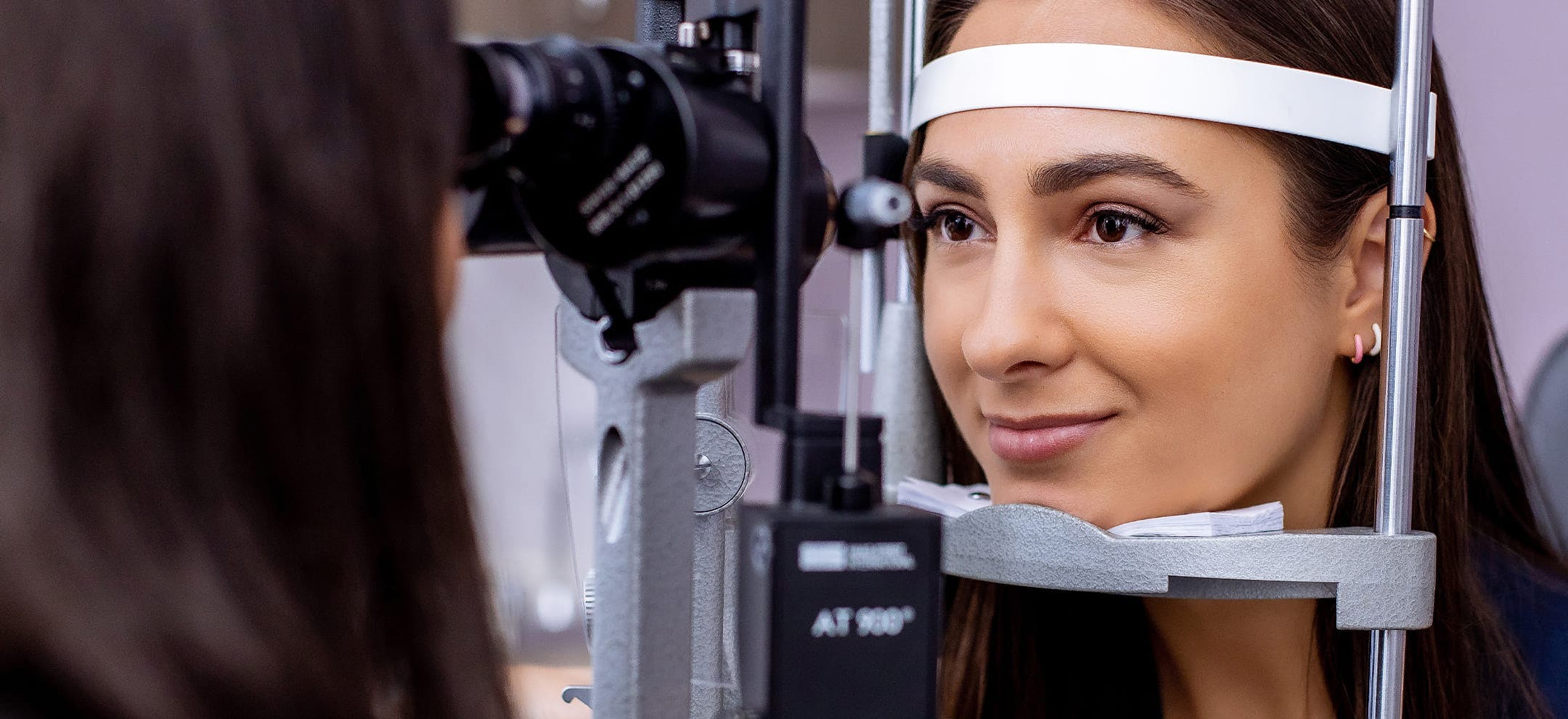
Many patients research vision correction for months before scheduling a consultation. They arrive knowing the procedure names, the price range, maybe even the equipment. What they often don't have is a list of questions. The ones that matter cover candidacy, procedure options, technology, and what recovery actually looks like.
Dr. Julia Giyaur, MD, ophthalmologist and eye surgeon at New York Laser Vision, has spent over 15 years helping patients in Manhattan, Brooklyn, and Staten Island see more clearly. She holds clinical and operating privileges at Mount Sinai New York Eye and Ear Infirmary and Northwell North Shore University Medical Center, and was named a Castle Connolly Top Doctor in 2025. Here are the questions Dr. Giyaur recommends raising before you schedule a procedure.
Candidacy comes before everything else. The American Academy of Ophthalmology recommends discussing a few key factors with your surgeon upfront. Ask about:
If any of these raise a flag, ask what it means for your options and whether an alternative procedure could still work for you.
New York Laser Vision offers LASIK, PRK, and EVO ICL. The right fit depends on your corneal anatomy, prescription, and other factors your doctor can only assess through an in-person exam. Ask which procedure suits your profile, what technology will be used, and what the enhancement rate looks like for your correction level.
The FDA's LASIK surgery checklist advises patients to confirm their surgeon is using a device approved for their specific procedure. A practice that answers those questions clearly is one worth trusting with your eyes.
Recovery timelines differ. LASIK tends to heal faster than PRK, though both involve some downtime and early restrictions on exercise and screen time. Ask about the most common short-term side effects for your procedure, when you can return to normal activity, and whether enhancement treatments are included if the outcome falls short.
Knowing the realistic range of outcomes before surgery helps you interpret your own recovery accurately. Temporary dryness, light sensitivity, or fluctuating vision in the first few weeks are common and don't signal a problem on their own.
Dr. Giyaur and the New York Laser Vision team walk through candidacy, procedure options, technology, and recovery in detail at every consultation, before you commit to anything. To schedule in Manhattan, Brooklyn, or Staten Island, contact New York Laser Vision today.
We are reliable. We have been here a long time. And we will support you every step of the way.
Contact Us