Schedule a Consultation
We are reliable. We have been here a long time. And we will support you every step of the way.
Contact Us
There is no single "best" age for LASIK; age matters less than prescription stability, corneal health, and overall eye health. The FDA requires patients to be at least 18, and most surgeons consider the 20s through 40s to be the strongest candidacy window because prescriptions have typically stabilized by then.
Dr. Julia Giyaur, a board-certified ophthalmologist and the founding director of New York Laser Vision, has performed thousands of LASIK and other vision-correction procedures over more than 15 years of practice. She holds surgical privileges at Mount Sinai New York Eye and Ear Infirmary and has been recognized as a Castle Connolly Top Doctor for 2025. Rather than relying solely on age, she evaluates each candidate's unique factors individually. In this blog, she draws on her extensive experience to explain what age truly means for LASIK candidacy at every stage of life.
The minimum age for LASIK is 18. According to the FDA, no lasers are currently approved for LASIK in patients under 18, largely because the eye is still developing and prescriptions tend to fluctuate throughout the teenage years.
However, turning 18 does not automatically make someone a candidate. The FDA specifically flags patients in their early 20s or younger as more likely to experience refractive instability, meaning their glasses or contact lens prescription has changed within the past year. A stable prescription is one of the clearest signs that the eye is ready for a permanent procedure.
Beyond age and stability, candidacy depends on several other factors:
While the FDA sets 18 as the minimum age, what matters most within adulthood is how the eye behaves at each life stage. Here's how Dr. Giyaur evaluates candidacy across the decades:
|
Age Range |
Key Consideration |
What Dr. Giyaur Looks For |
|
20s |
Highest risk of an unstable prescription, especially for those diagnosed with myopia in childhood; eyes often continue changing gradually into the early-to-mid 20s |
At least one to two years of stable prescription history before recommending LASIK; may advise waiting if the prescription is still shifting, since surgery on a changing eye raises the odds of needing an enhancement later |
|
30s and Early 40s |
Often considered the sweet spot; prescriptions have typically been stable for years and corneas have finished changing shape |
A longer, more reliable prescription history to plan around; lower likelihood of early cataracts or significant dry eye that could complicate surgical planning |
|
50 and Beyond |
Age alone doesn't disqualify candidacy, but presbyopia and early cataract changes become relevant; the American Academy of Ophthalmology notes most people notice presbyopia shortly after age 40 |
Screening for early cataract changes, since a developing cataract may make cataract surgery with a premium lens implant a better long-term fit than LASIK; often discusses monovision LASIK, since standard LASIK doesn't reverse presbyopia |
Prescription stability, not a specific birthday, is the strongest predictor of a good LASIK outcome. An eye that is still changing will likely need vision correction again within a few years, regardless of the patient's age.
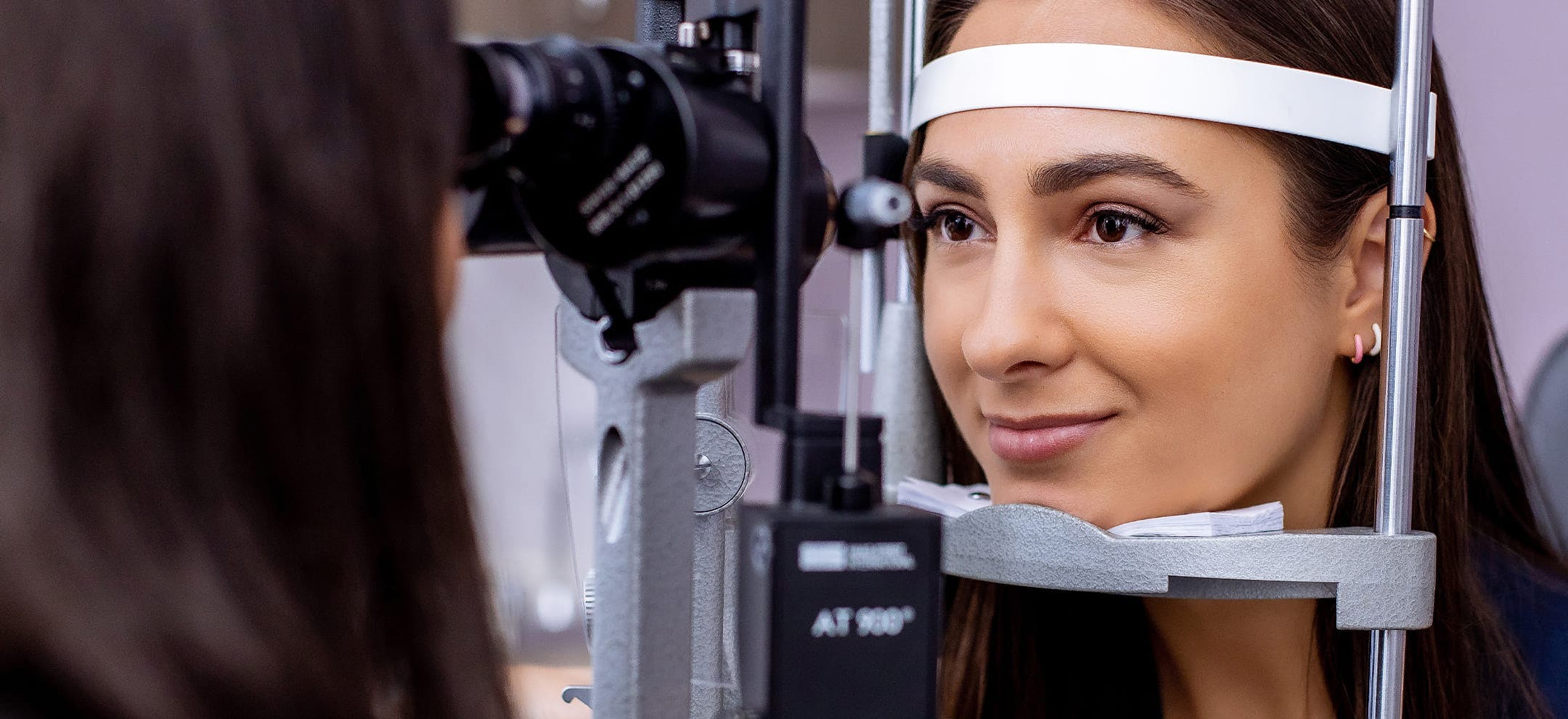
That's why Dr. Giyaur's LASIK consultations focus on a documented prescription history, corneal mapping, tear film assessment, and pupil measurement. Two patients of the same age can have very different candidacy results depending on how their eyes have behaved over time.
Choosing an experienced surgeon matters as much as choosing the right age. Dr. Giyaur brings over 15 years of ophthalmology experience to every LASIK consultation, with training that includes:
Dr. Julia Giyaur and the team at New York Laser Vision evaluate prescription stability, corneal health, and overall eye health for every patient, at every age, to recommend the safest and most effective path to clearer vision. Schedule a consultation with New York Laser Vision today to find out if LASIK is right for you.
Disclaimer: This information is provided for educational purposes only and does not replace a consultation with a board-certified ophthalmologist. LASIK candidacy varies from person to person, and outcomes, risks, and suitability should be discussed with your doctor.
We are reliable. We have been here a long time. And we will support you every step of the way.
Contact Us