
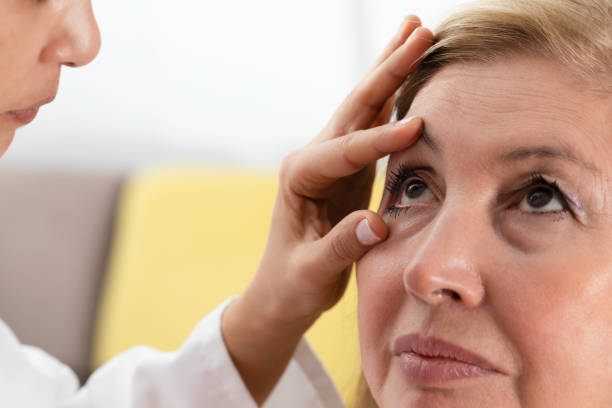
Thyroid eye disease (TED), also known as Graves' ophthalmopathy, can cause significant changes to the eyelids and surrounding tissues, leading to discomfort, vision problems, and aesthetic concerns. Eyelid surgery offers an effective solution for patients whose symptoms have stabilized, helping restore both function and appearance.
At New York Laser Vision, board-certified ophthalmologist Dr. Julia Giyaur brings over 15 years of specialized experience in eyelid surgery and thyroid eye disease management, with privileges at Mount Sinai New York Eye and Ear Infirmary and a commitment to personalized, compassionate care.
In this blog, we'll discuss how thyroid eye disease affects the eyelids, when surgery is recommended, what types of procedures are available, and what patients can expect during recovery.
What Is Thyroid Eye Disease?
Thyroid eye disease is an autoimmune condition that affects the tissues around the eyes, most commonly associated with Graves' disease. The condition causes inflammation and swelling of the muscles and fatty tissue behind the eyes, which can push the eyeballs forward and affect the eyelids.
Common symptoms of thyroid eye disease include:
- Bulging eyes (proptosis)
- Eyelid retraction, where the upper or lower lids pull away from the eye
- Dry, irritated eyes
- Double vision
- Difficulty closing the eyelids completely
- Eye pain or pressure
- Light sensitivity
Thyroid eye disease typically goes through an active inflammatory phase lasting months to years, followed by a stable phase. Surgery is generally recommended only after the condition has been stable for at least six months.
How Does Thyroid Eye Disease Affect the Eyelids?
The eyelids can undergo several changes when thyroid eye disease develops. Understanding these changes helps patients recognize when surgical intervention may be beneficial.
Eyelid Retraction: One of the most common eyelid problems in thyroid eye disease is retraction, in which the upper eyelid sits higher than normal or the lower eyelid droops away from the eye.
Difficulty Closing the Eyes: When the eyelids don't close properly due to retraction or proptosis, the cornea becomes vulnerable to drying and damage. Many patients with thyroid eye disease experience lagophthalmos, the inability to fully close the eyelids, particularly during sleep.
Excess Tissue and Fat: Inflammation associated with thyroid eye disease can cause fat deposits and swollen tissue around the eyes, leading to puffy, heavy-looking eyelids.
When Is Eyelid Surgery Recommended for Thyroid Eye Disease?
Eyelid surgery for thyroid eye disease is recommended when:
- Eyelid retraction causes functional problems like incomplete eyelid closure
- The cornea is at risk due to exposure
- Vision is obstructed by excess eyelid tissue
- Double vision has stabilized, and other corrective procedures have been completed
- The patient desires aesthetic improvement after other treatments
Patients who have undergone orbital decompression surgery for severe proptosis may require subsequent eyelid surgery to address residual eyelid malposition. Dr. Giyaur works closely with patients to create a comprehensive treatment plan that addresses all aspects of their thyroid eye disease.
What Types of Eyelid Surgery Are Used for Thyroid Eye Disease?
Several surgical techniques can address the eyelid changes caused by thyroid eye disease. The specific procedure depends on the individual patient's anatomy and symptoms.
Upper Eyelid Retraction Repair
For patients with upper eyelid retraction, surgery involves lengthening the tissues that have shortened and scarred. This may include releasing the levator muscle (which lifts the upper lid) and adding spacer grafts to help the eyelid sit in a more natural position. The goal is to lower the upper eyelid to protect the eye and create a more balanced appearance.
Lower Eyelid Retraction Repair
Lower eyelid retraction surgery focuses on repositioning the lower lid closer to the eye. Techniques may involve tightening the lateral canthal tendon, adding spacer grafts, or performing a mid-face lift to provide additional support. Proper lower eyelid position is essential for protecting the cornea and maintaining tear film stability.
Blepharoplasty for Excess Tissue
When thyroid eye disease causes significant fat prolapse and tissue swelling, blepharoplasty can remove excess fat and skin from the upper or lower eyelids. This improves both vision and appearance while maintaining adequate eyelid function. Dr. Giyaur's extensive experience in eyelid surgery ensures natural-looking results while preserving eye health.
What Should Patients Expect During Recovery?
Recovery from eyelid surgery for thyroid eye disease requires patience and careful post-operative care. Dr. Giyaur provides detailed instructions to help patients heal properly and achieve the best possible outcomes.
During the recovery period:
- Keep the head elevated, especially while sleeping
- Use prescribed eye drops or ointments to prevent dryness
- Avoid rubbing or touching the surgical sites
- Wear sunglasses to protect the eyes from the sun and wind
- Attend all follow-up appointments with Dr. Giyaur
Initial swelling typically subsides within two to three weeks, but final results may take several months to fully develop as tissues settle into their new positions. Some patients may require minor adjustments or additional procedures to achieve optimal symmetry and function.
Schedule Your Thyroid Eye Disease Consultation Today
If thyroid eye disease is affecting your vision, comfort, or confidence, eyelid surgery may offer the relief you've been seeking. Dr. Julia Giyaur and the team at New York Laser Vision are here to guide you through every step of your treatment journey.
Contact our Manhattan or Brooklyn office today to schedule a consultation.